Discover Mazgaon

Walk the historical timeline of South Mumbai's oldest maritime precinct. From 17th-century indigenous Koli villages and royal mango orchards to modern-day infrastructural marvels.

1. Indigenous Roots: The Koli Ecosystem

Originally known as "Matsya Gram" (Sanskrit for fishing village), Mazgaon was originally an archipelago inhabited by the indigenous Koli fishermen and Agari salt-workers long before colonial rule.

The area's Koli heritage is preserved in localized enclaves like Mazgaon Koliwada. Structures like the Vaithi House showcase typical early 20th-century Koli architecture, featuring wooden 'V' patterns and deep verandahs used to display ancestral photographs. Historically, Queen Elizabeth I even gifted pistols to local Koli leaders (like Kuptun Mangalaya) to help defend against pirates.

2. Colonial Era & The Mangoes of Mazagong

In 1572, the King of Portugal granted the island to the de Souza e Lima family, initiating the Catholic conversion of the indigenous communities who later identified as "Bombay East Indians".

During the Mughal era, Mazgaon gained legendary status for its agrarian wealth—specifically the "Mangoes of Mazagong". The exceptional Alphonso orchards fruited twice a year and were so highly prized that Emperor Shah Jahan established a high-speed equestrian courier to deliver them straight to the Royal Table in Delhi. They were even heavily guarded by armed sepoys.

3. The Siddi Naval Conflict & Parsi Legacy

Because of its strategic coastal position, Mazgaon was attacked and brutally occupied in 1690 by the Sidi of Janjira, an admiral of the Mughal Navy.

A prominent Parsi citizen, Rustomji Dorabji, mobilized the local Koli fishermen into a fierce indigenous naval fleet and successfully drove the invaders out. For his bravery, the British awarded him the hereditary title of 'Patel'. His legacy is permanently anchored in the neighborhood by the Patel Agiyari, the oldest Zoroastrian fire temple in the precinct.

4. Matharpacady Heritage Village

A designated Grade III heritage precinct, this 400-year-old urban village is a frozen epoch of pre-industrial Mumbai. Known initially as "Saiba Gulli," it is a bastion of Indo-Portuguese architecture with split-level timber homes, terracotta roofs, and intricately carved wooden staircases.

  • The Lion's Den: A striking yellow residence built in 1892 by Daniel Leao, flanked by two fierce stone lions.
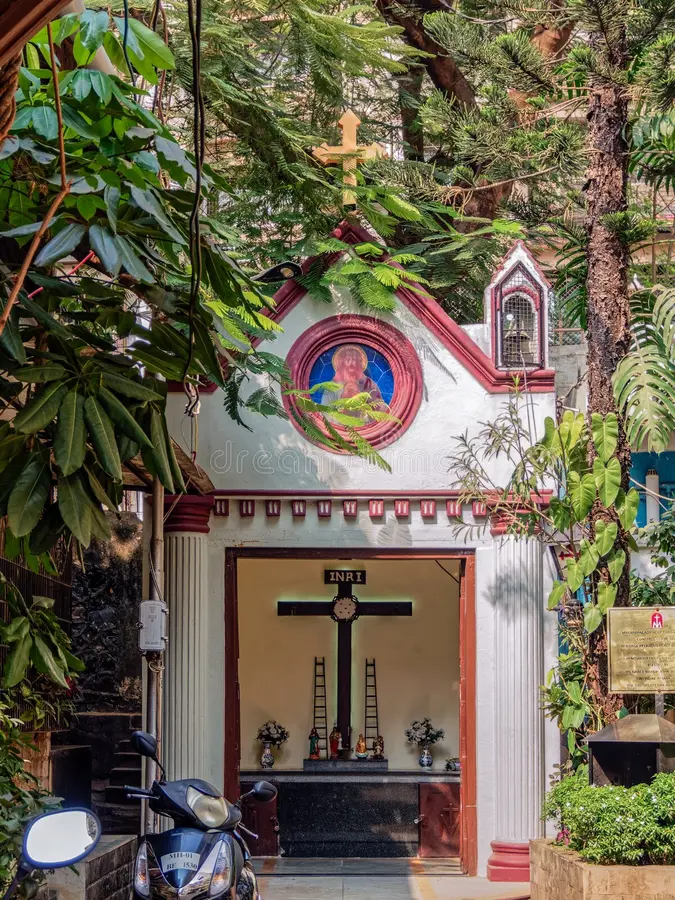
  • Holy Cross Oratory: Built in the 1890s during the horrific Bombay Bubonic Plague. Residents fervently prayed to St. Roque, and miraculously, the entire village was spared.
  • Civic Leadership: It was the ancestral home of Joseph 'Kaka' Baptista, a pioneer of the national labor rights movement and close associate of Bal Gangadhar Tilak.

5. Monuments of Faith: A Cosmopolitan Mosaic

The demographic shifts in Mazgaon have left breathtaking architectural monuments of diverse faiths side-by-side.

Hasanabad Dargah (1884)

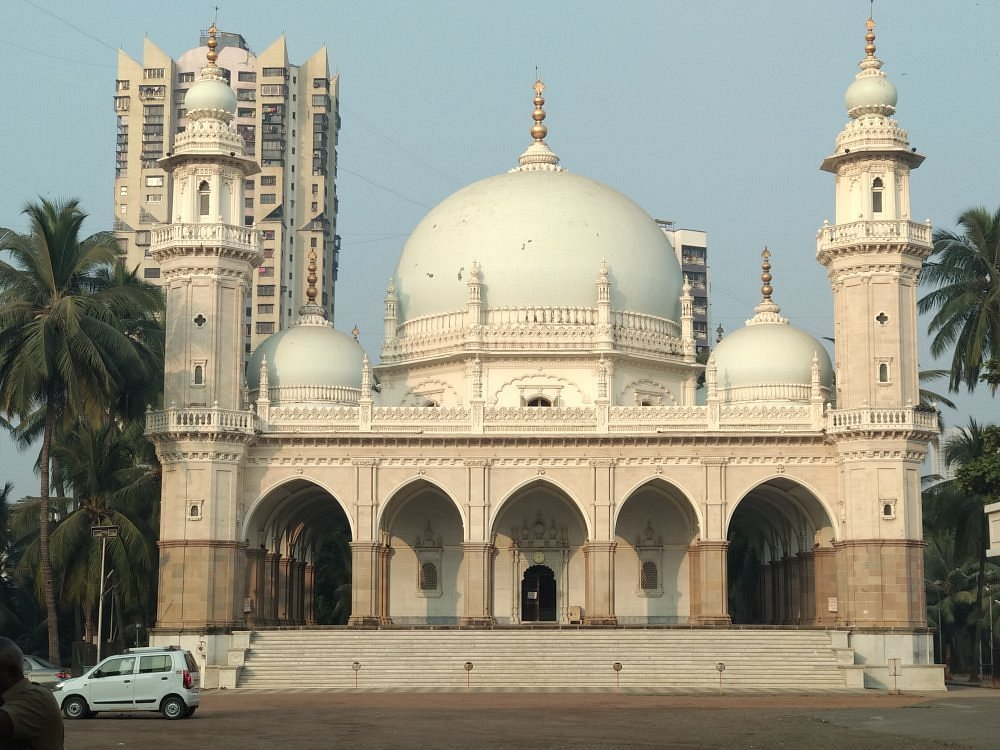
Universally known as "Mumbai's Taj Mahal," this pristine white marble mausoleum is the resting place of Aga Khan I, featuring a brilliant blue dome and towering 19-foot golden minarets.

Kwan Kung Temple (1919)

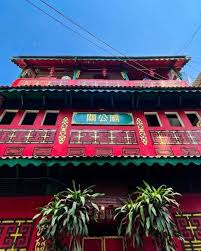
Hidden in Wadi Bandar lies Mumbai’s only surviving 105-year-old Chinese temple. It bursts into life during the Lunar New Year (especially the 2026 Year of the Fire Horse) with midnight rituals, fortune sticks, and athletic dragon dances.

The brilliant blue dome of Hasanabad Dargah in Mazgaon

6. Mazagon Docks & Maritime Legacy

What started as a small dry dock in 1774 recently celebrated its 250th anniversary in 2024. Today, Mazagon Dock Shipbuilders Limited is India's premier national defense shipyard, responsible for constructing modern submarines and stealth frigates.

Interestingly, the massive global conglomerate Mahindra & Mahindra originated within this very industrial ecosystem as a steel company named "Mahindra & Mohammed."

Beneath the nearby Dockyard Road station bridge, you can still find 100-year-old barbershops—the descendants of historical saloons that provided traditional Turkish baths (Hamaams) to exhausted dockworkers.

7. Maharana Pratap Chowk & Civic Nodes

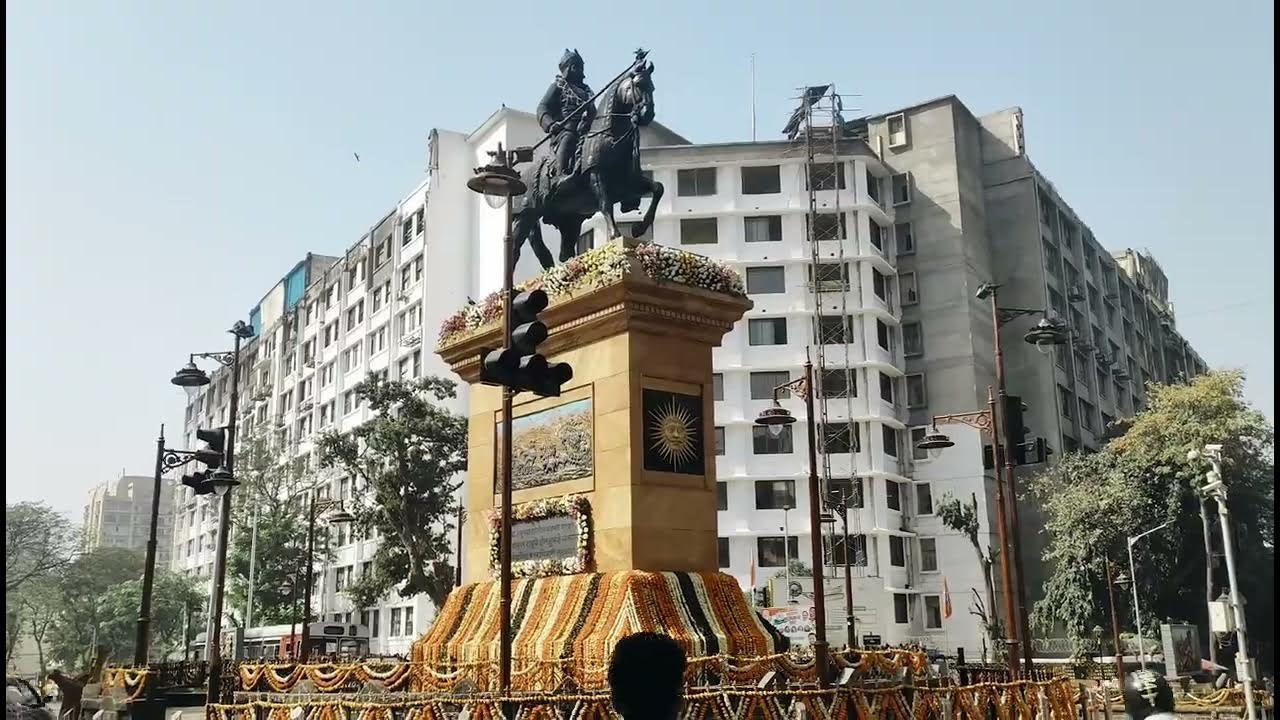
A vital commercial intersection anchoring the neighborhood's bustling transit. In January 2022, the Chief Minister unveiled a magnificent 16-foot, 4.5-ton bronze equestrian statue of Maharana Pratap, crafted by sculptor Sarmad Sharad Patil.

8. Cultural Pulse: The Gavdevi Palkhi Sohala

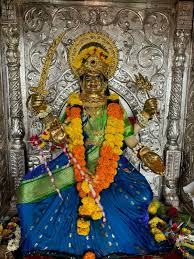
At the heart of the community's local traditions is the vibrant Mazgaon Gavdevi Palkhi Sohala. Celebrated annually during Chaitra Purnima (which coincides with Hanuman Jayanti), this deeply spiritual event marks the divine procession of Gaavdevi Mata (Vaikunth Mata).

The streets transform into a sensory spectacle, characterized by the thunderous beats of traditional dhol-tasha and the massive gathering of devotees, showcasing the unwavering communal solidarity of the precinct.

9. Local Culinary Gems & Street Food

The gastronomical landscape seamlessly blends historic labor-class sustenance with local mercantile flavors.

Afzal's Mao Restaurant: An undisputed local favorite for late-night dining (open until 1:30 AM), famous for its heavy Kapsa platters and Indo-Chinese "Dragon Rice".
Graduate Vada Pav: Established in 1994 near Byculla East station, this legendary stall is a critical daily caloric node for thousands of commuters.
South Mumbai Kebabs: The broader precinct is globally recognized for midnight Bhuna Rolls—spice-infused, slow-cooked boneless chicken tightly wrapped in a paper-thin rumali roti.

10. Mega-Infrastructure: The Twin Tunnel & Ferries

Mazgaon is currently the fulcrum of Mumbai's macro-infrastructural "third recycling".

  • Orange Gate to Marine Drive Tunnel: A ₹8,056 crore, 9.23 km twin-tunnel project currently drilling 50 meters below ground. Slated for 2028, it will cut the grueling 40-minute east-west commute to just 5 minutes.